

Introduction
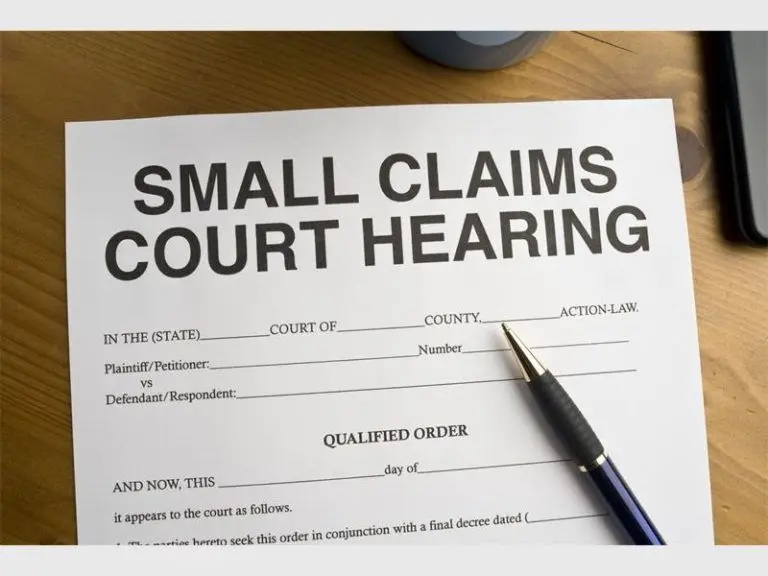
If you’ve ever had a minor dispute over money or property, you might have wondered, how small claims court works. Small claims court is designed to help people resolve disagreements quickly and affordably without hiring a lawyer. Unlike regular civil courts, the process is simpler, faster, and focused on straightforward cases involving limited amounts of money.
Many people avoid small claims court because it sounds intimidating. However, understanding the process can make it less stressful and more effective. Whether you are seeking compensation for a damaged item, unpaid rent, or a minor contract dispute, small claims court can be a practical solution. Knowing exactly how small claims court works helps you prepare your case, present evidence clearly, and increase your chances of a favorable outcome.
This guide will explain everything you need to know about small claims court from what it is, why it matters, the step-by-step process, to expert tips and common mistakes. By the end, you’ll have a clear, practical understanding that will help you navigate your own case with confidence. Let’s dive into how small claims court works and why it could be the right option for resolving your dispute efficiently.
What is Small Claims Court?
Small claims court is a special type of court where individuals can resolve legal disputes involving relatively small amounts of money, usually without the need for a lawyer. Each state or region has a limit on the maximum amount you can claim, often ranging from $2,500 to $15,000.
The court is designed to simplify the legal process. There are no complex legal procedures, and hearings are usually informal. Cases are often heard by a judge or magistrate rather than a jury. The main goal is to provide a fair, quick, and inexpensive resolution for common disputes.
Common cases in small claims court include:
- Unpaid bills or loans
- Property damage claims
- Landlord-tenant disputes
- Breach of contract
- Consumer complaints
By understanding how small claims court works, you can take control of your situation and make sure your side of the story is clearly presented.
Why is Small Claims Court Important?
Small claims court serves a crucial role in the legal system. It allows individuals and small businesses to seek justice without the time, cost, and complexity of traditional court proceedings.
Here’s why it’s important:
- Accessibility: Anyone can file a claim without needing a lawyer.
- Cost-effective: Filing fees are relatively low compared to regular court cases.
- Speed: Cases are typically resolved much faster than in higher courts.
- Empowerment: People can assert their rights and hold others accountable.
- Clarity: The court encourages clear, simple presentation of evidence.
Understanding how small claims court works is the first step to effectively using this resource to protect your rights and resolve disputes efficiently.
Detailed Step-by-Step Guide
Step 1: Determine if Your Case Qualifies
Before filing, check if your dispute meets your local small claims court requirements. These often include:
- A monetary limit on claims
- Certain types of disputes, usually civil, not criminal
- Filing within a specific statute of limitations
Example: If your claim is for $1,500 owed by a contractor, it likely qualifies. But a $20,000 dispute does not.
Step 2: Prepare Your Case
Preparation is key. Gather all supporting documents and evidence, such as:
- Contracts and agreements
- Receipts and invoices
- Photographs of damage
- Communication records (emails, messages, letters)
Create a clear timeline of events to present your case logically.
Step 3: File Your Claim
Visit your local small claims court or their website to file the claim. You will typically need:
- Your personal information and contact details
- The defendant’s information
- A brief description of the dispute and requested amount
- Filing fees (can vary by jurisdiction)
Once filed, the court will schedule a hearing date and notify the defendant.
Step 4: Serve the Defendant
The defendant must be officially notified. This can be done via:
- Certified mail
- Court-appointed process server
- Sheriff’s office service
Proper service is critical; without it, your case may be delayed or dismissed.
Step 5: Attend the Hearing
On the hearing day:
- Arrive early and dress professionally.
- Present your case calmly and clearly.
- Show your evidence and explain your timeline of events.
- Answer any questions from the judge or magistrate.
The defendant also presents their side. After both sides, the judge may decide immediately or take time to review.
Step 6: Receive the Judgment
The court will issue a decision, which can include:
- Payment of money owed
- Dismissal of the claim
- Other remedies depending on the case
If you win, the court may assist with collecting payment, though enforcement can sometimes require additional steps.
Step 7: Appeal (Optional)
If you believe the decision is unfair, most jurisdictions allow an appeal within a limited time frame. Appeals are usually filed in a higher court and may require additional fees.
Benefits of Small Claims Court
- Affordable legal process
- Faster resolutions
- No lawyers required
- Formal yet simple procedures
- Accessible for everyone
- Encourages fair dispute resolution
Disadvantages / Risks
- Limited monetary claims
- No jury trial
- May still require effort to collect judgment
- Can be stressful without legal support
- Certain complex cases are not suitable
Common Mistakes to Avoid
- Failing to gather sufficient evidence
- Missing filing deadlines
- Improperly serving the defendant
- Presenting disorganized arguments
- Underestimating court fees or costs
- Assuming the court will automatically enforce the judgment
FAQs
1. How long does a small claims case take?
It varies, but most cases are resolved within a few weeks to a few months. Preparation and proper filing can speed up the process.
2. Do I need a lawyer?
No, small claims court is designed for self-representation. However, consulting a lawyer for complex issues can help.
3. Can I appeal a small claims judgment?
Yes, appeals are possible but must be filed within the jurisdiction’s time limit. The process is similar to higher courts.
4. What types of disputes can be filed?
Common disputes include unpaid debts, damaged property, lease disagreements, and small contract breaches. Criminal cases are not allowed.
5. How much can I claim?
Limits depend on your state or country but generally range from $2,500 to $15,000. Check local guidelines before filing.
6. Can I collect money if the defendant refuses to pay?
Yes, courts can issue enforcement orders, such as wage garnishments or liens, but additional steps may be needed.
7. What if the defendant doesn’t show up?
The court may issue a default judgment in your favor if proper service was completed.
Expert Tips & Bonus Points
- Organize your documents: A neat, clear folder can make a strong impression.
- Practice your presentation: Rehearse explaining your case briefly and clearly.
- Stay calm and respectful: Courts favor professional behavior.
- Consider settlement first: Many cases settle before the hearing, saving time and money.
- Keep copies of everything: Both evidence and court documents are essential.
Conclusion
Understanding how small claims court works empowers you to handle minor disputes effectively. It’s a tool designed for ordinary people to seek justice without the cost and complexity of traditional courts. By preparing your case carefully, presenting evidence clearly, and following procedures, you increase your chances of success.
Small claims court offers an accessible, affordable, and efficient way to resolve disagreements. While there are limits and risks, the benefits often outweigh the downsides for straightforward disputes. By avoiding common mistakes and following expert tips, you can navigate the process confidently and potentially achieve a fair outcome.
Whether it’s unpaid rent, a damaged item, or a minor contract issue, knowing how small claims court works gives you the knowledge and confidence to act and protect your rights effectively. With preparation and patience, even beginners can handle their case successfully and gain the justice they deserve.
