

Introduction
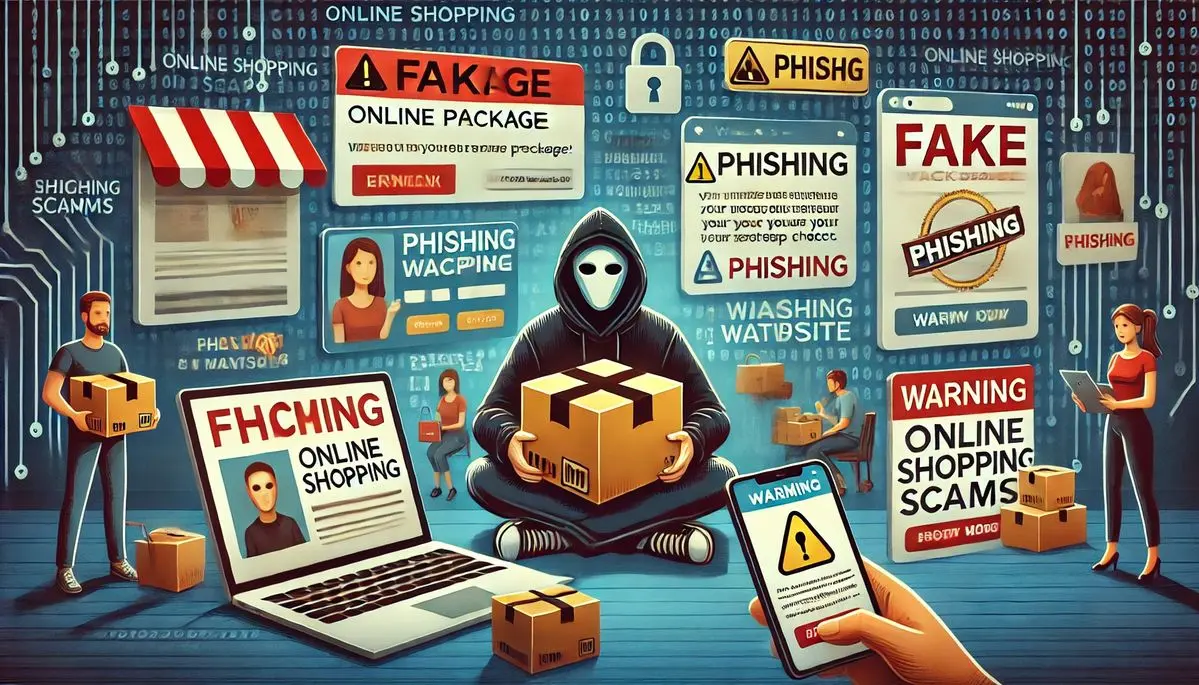
The internet has made life easier, but it has also opened the door to online scams. From fake shopping websites to phishing emails, many people fall victim every day. If you have been scammed, you might feel stressed, angry, or confused about what to do next. However, it is important to know that you are not alone, and there are laws and protections designed to help you.
Understanding Consumer Rights After an Online Scam is the first step toward recovery. These rights give you the power to report fraud, request refunds, and take action against scammers. Even though recovering money is not always guaranteed, acting quickly can increase your chances of success.
In addition, knowing your rights helps you avoid future scams. Many victims do not report incidents because they believe nothing can be done. This is not true. Governments, banks, and consumer protection agencies provide support and guidance for victims.
What is Consumer Rights After an Online Scam?
Consumer Rights After an Online Scam refers to the legal protections and actions available to individuals who have been cheated or defrauded online. These rights are designed to protect consumers from financial loss and unfair practices.
When you fall victim to an online scam, your rights may include:
- Requesting a refund or chargeback
- Reporting the scam to authorities
- Blocking unauthorized transactions
- Seeking legal action if necessary
For example, if you paid for a product online but never received it, you may have the right to request a refund from your bank or payment provider. Similarly, if your credit card details were stolen, your bank may reverse the transaction.
These rights vary depending on your country, payment method, and the type of scam. However, the goal is the same: to protect consumers and reduce fraud.
Why is Consumer Rights After an Online Scam Important?
Understanding Consumer Rights After an Online Scam is important for several reasons. First, it helps you take immediate action. The faster you respond, the higher your chances of recovering your money.
Second, it empowers you. Many scammers rely on fear and confusion. When you know your rights, you can act confidently instead of feeling helpless.
Third, it helps prevent future scams. By learning from your experience, you become more aware and cautious online.
Here are a few key reasons why these rights matter:
- They provide legal protection against fraud
- They help you recover lost money
- They encourage reporting of scams
- They reduce the power of scammers
For instance, if more people report scams, authorities can track patterns and stop fraud networks more effectively.
Detailed Step-by-Step Guide
Step 1: Stay Calm and Gather Evidence
The first thing to do is stay calm. Panic can lead to poor decisions. Instead, collect all the information related to the scam.
This includes:
- Screenshots of messages or emails
- Payment receipts
- Website links
- Contact details of the scammer
Having clear evidence will help when you report the scam or request a refund.
Step 2: Contact Your Bank or Payment Provider
Next, contact your bank immediately. Inform them about the fraudulent transaction and request a chargeback if possible.
Many banks have fraud protection policies. If you act quickly, they may freeze the transaction or recover your money.
If you used a digital wallet or payment app, contact their support team as well.
Step 3: Report the Scam to Authorities
Reporting the scam is a crucial part of exercising your Consumer Rights After an Online Scam.
You can report to:
- Local cybercrime units
- Consumer protection agencies
- Online fraud reporting platforms
This step helps authorities track scammers and prevent further fraud.
Step 4: Secure Your Accounts
After reporting the scam, secure your accounts to prevent further damage.
Take these actions:
- Change all passwords
- Enable two-factor authentication
- Log out of all devices
- Monitor account activity
This reduces the risk of additional unauthorized access.
Step 5: Contact the Seller or Platform
If the scam occurred on an online marketplace, contact the platform directly. Many websites have buyer protection policies.
Explain your situation clearly and provide evidence. In some cases, the platform may refund your money or take action against the seller.
Step 6: Seek Legal Advice if Needed
If the financial loss is significant, consider seeking legal advice. A lawyer can guide you on further actions and possible claims.
Although this step may not be necessary for small losses, it can be helpful in serious cases.
Benefits of Consumer Rights After an Online Scam
Understanding your rights offers several benefits:
- Helps recover lost money through chargebacks
- Provides access to legal protection
- Encourages quick and effective action
- Increases awareness of online safety
- Reduces emotional stress by giving direction
- Supports law enforcement in stopping scams
These benefits show why it is important to stay informed and take action immediately.
Disadvantages / Risks
While these rights are helpful, there are some limitations:
- Not all funds can be recovered
- The process may take time
- Some scams are difficult to trace
- Legal procedures can be costly
- Emotional stress may still remain
Despite these challenges, taking action is always better than doing nothing.
Common Mistakes to Avoid
Many people make mistakes after falling victim to scams. Avoiding these errors can improve your chances of recovery.
One common mistake is delaying action. Waiting too long can reduce your chances of getting your money back.
Another mistake is failing to collect evidence. Without proof, it becomes harder to report the scam or claim a refund.
Some victims also ignore reporting the incident. This allows scammers to continue targeting others.
Additionally, people sometimes reuse passwords or fail to secure their accounts. This can lead to further losses.
Finally, trusting unknown sources again can result in repeated scams. Always verify before taking action.
FAQs
1. Can I get my money back after an online scam?
Yes, in some cases you can recover your money. It depends on how quickly you act and the payment method used. Contact your bank immediately for the best chance.
2. How long do I have to report a scam?
Most banks and payment providers require you to report within a few days or weeks. The sooner you report, the better your chances of recovery.
3. What should I do if my personal information is stolen?
You should change your passwords, enable security features, and monitor your accounts. In serious cases, report identity theft to authorities.
4. Are online scams punishable by law?
Yes, online scams are illegal. Authorities can investigate and take legal action against scammers if enough evidence is available.
5. Should I inform others about the scam?
Yes, sharing your experience can help others avoid similar scams. It also increases awareness and promotes safety.
6. Can scams happen on trusted websites?
Yes, even trusted platforms can have fraudulent sellers. Always verify before making a purchase and read reviews carefully.
Expert Tips & Bonus Points
To better protect yourself and understand Consumer Rights After an Online Scam, follow these expert tips:
- Always verify website authenticity before making payments
- Avoid sharing sensitive information through email or messages
- Use secure payment methods like credit cards
- Keep records of all transactions
- Install antivirus and security software
- Stay updated about common scam techniques
Another useful tip is to trust your instincts. If something feels suspicious, it is better to pause and verify before proceeding.
Conclusion
Online scams are becoming more common, but understanding Consumer Rights After an Online Scam can make a big difference. These rights provide a clear path to take action, recover losses, and protect yourself in the future.
If you ever become a victim, remember to act quickly. Start by gathering evidence, contacting your bank, and reporting the incident. Each step increases your chances of a positive outcome. Even if you cannot recover all your money, taking action helps prevent further damage.
Moreover, awareness is your strongest defense. By learning about scams and staying cautious, you can reduce the risk of falling victim again. Share your knowledge with others so they can stay safe as well.
