

Introduction
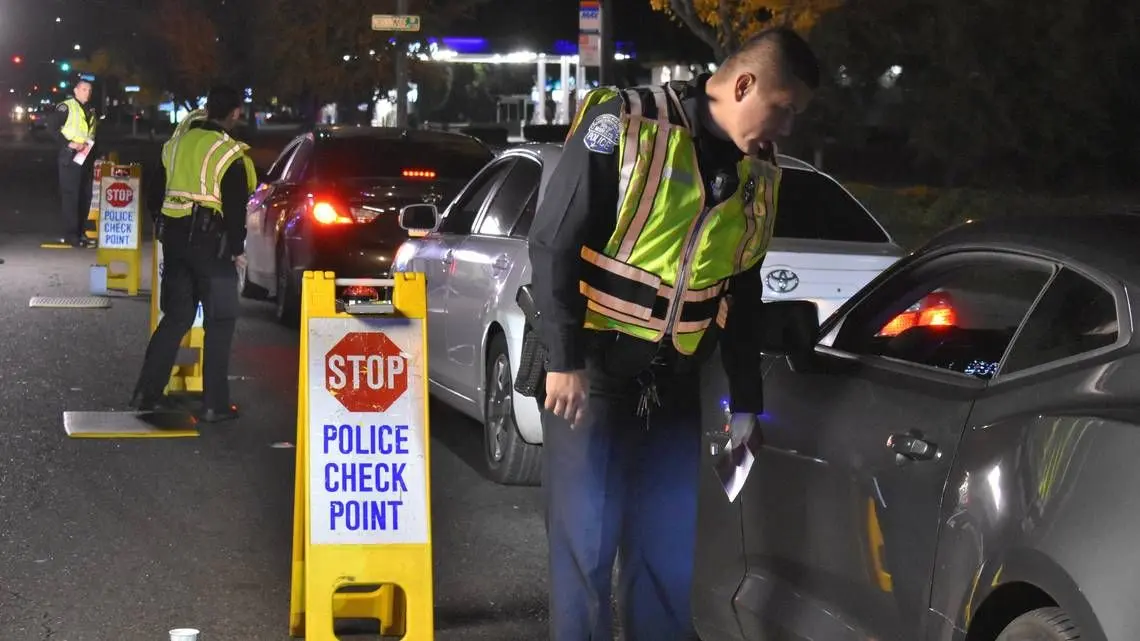
If you have ever wondered, “What Are My Rights During a Police Stop,” you are not alone. Many people feel nervous or confused when they are stopped by the police, whether it happens while driving, walking, or even standing in a public place. Understanding your rights in such situations can make a big difference. It helps you stay calm, act confidently, and avoid unnecessary problems.
Knowing What Are My Rights During a Police Stop is not about challenging authority. Instead, it is about protecting yourself while still respecting the law. Police officers have a duty to keep communities safe, but you also have rights that must be respected. When both sides understand their roles, interactions are smoother and safer.
In this guide, you will learn everything you need to know in simple and clear language. We will cover what a police stop is, why your rights matter, and how to handle different situations step by step. You will also discover common mistakes to avoid and expert tips to stay safe.
What is What Are My Rights During a Police Stop?
When people ask, “What Are My Rights During a Police Stop,” they are referring to the legal protections you have when interacting with law enforcement. A police stop can happen in many ways, such as a traffic stop, a stop-and-search situation, or questioning in a public place.
In simple terms, your rights during a police stop are the rules that protect you from unfair treatment. These rights come from the law and ensure that police officers act within their authority.
Here are some basic rights you usually have during a police stop:
- The right to remain silent
- The right to know why you are being stopped (in many cases)
- The right to refuse a search (unless there is a legal reason)
- The right to ask if you are free to leave
- The right to legal representation if detained
For example, if you are pulled over while driving, the officer may ask for your license and registration. However, you are not required to answer questions that may incriminate you.
Understanding What Are My Rights During a Police Stop means knowing both your rights and your responsibilities. While you have protections, you must also follow lawful instructions, such as stopping your vehicle when asked.
Why is What Are My Rights During a Police Stop Important?
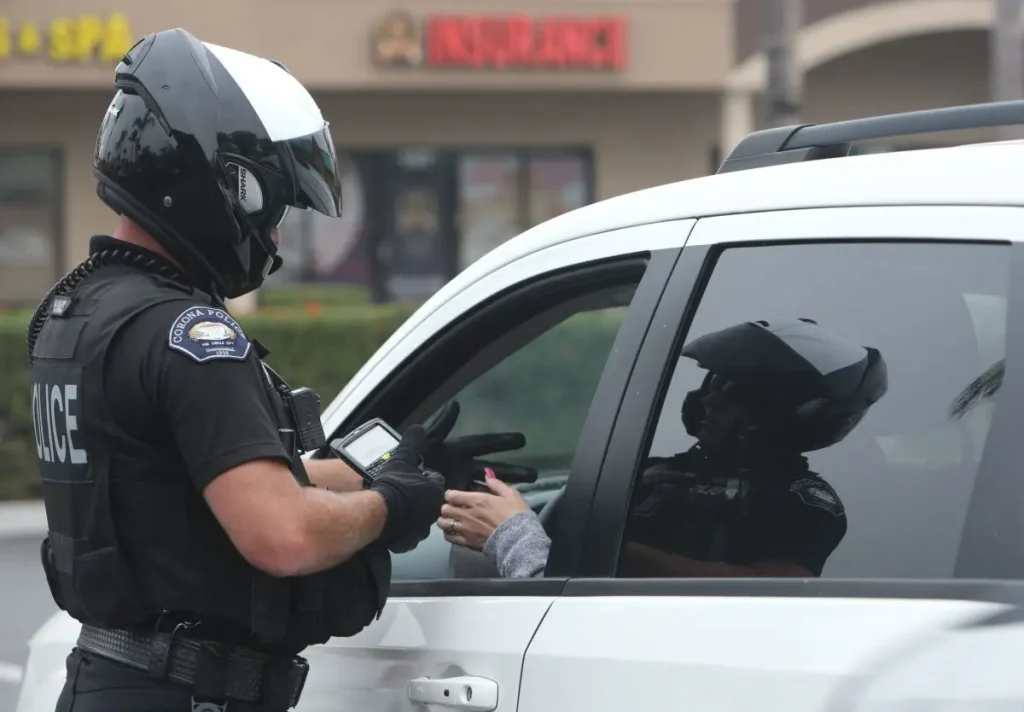
Knowing What Are My Rights During a Police Stop is important for several reasons. First, it helps protect your personal freedom. Without this knowledge, you might unknowingly give up your rights.
Second, it reduces stress. When you understand what is happening, you are less likely to panic. This leads to better communication with the officer and a safer interaction overall.
Here are key reasons why it matters:
- Prevents misunderstandings: Clear knowledge avoids confusion during the stop
- Protects against misuse of power: You can recognize if something is not right
- Builds confidence: You know how to respond calmly and correctly
- Ensures legal safety: You avoid actions that could harm your case later
For example, many people talk too much during a stop because they feel nervous. However, staying calm and knowing your right to remain silent can prevent complications.
In short, understanding What Are My Rights During a Police Stop is not just helpful—it is essential for your safety and legal protection.
Detailed Step-by-Step Guide
Stay Calm and Stop Safely
The first step during any police stop is to remain calm. If you are driving, pull over to a safe location as soon as possible.
- Turn off your engine
- Keep your hands visible
- Avoid sudden movements
Staying calm sets a positive tone for the interaction.
Be Polite but Careful
Always be respectful when speaking to the officer. Use polite language and avoid arguing.
However, being polite does not mean giving up your rights. You can be respectful while still protecting yourself.
Example:
- Instead of arguing, say: “I prefer to remain silent.”
Provide Required Documents
If you are driving, you may be asked to show:
- Driver’s license
- Vehicle registration
- Insurance documents
You should provide these when requested. Refusing may lead to penalties.
Understand Your Right to Remain Silent
One of the most important parts of What Are My Rights During a Police Stop is your right to remain silent.
You are not required to answer questions like:
- “Where are you coming from?”
- “Have you been drinking?”
You can simply say:
“I choose to remain silent.”
Ask if You Are Free to Leave
If you are unsure whether you are being detained, you can ask:
“Am I free to go?”
- If the officer says yes, you can leave calmly
- If the officer says no, you are being detained
This helps you understand your situation clearly.
Know Your Rights About Searches
Police may ask to search your vehicle or belongings. In many cases, you have the right to refuse.
You can say:
“I do not consent to a search.”
However, if the officer has a legal reason (like probable cause), they may proceed without your permission.
Do Not Resist Physically
Even if you believe your rights are being violated, do not resist physically.
Instead:
- Stay calm
- Remember details
- Report the issue later
Resisting can make the situation worse.
Record the Interaction if Possible
If it is safe and legal, you can record the interaction.
- Use your phone calmly
- Do not interfere with the officer
Recording can be helpful if there is a dispute later.
Benefits of What Are My Rights During a Police Stop
Understanding What Are My Rights During a Police Stop offers many benefits:
- Increased confidence: You know how to handle the situation
- Better communication: Clear and calm responses
- Legal protection: Avoid self-incrimination
- Reduced stress: Less fear during police encounters
- Improved safety: Safer interaction for both sides
For example, a person who knows their rights is less likely to panic or say something harmful.
Disadvantages / Risks
While knowing your rights is important, there are also some risks if misunderstood:
- Overconfidence: Acting aggressively instead of respectfully
- Misinterpretation: Not understanding local laws correctly
- Escalation: Arguing with the officer unnecessarily
- Ignoring lawful orders: Leading to legal trouble
Therefore, it is important to balance your rights with proper behavior.
Common Mistakes to Avoid
Many people make simple mistakes during a police stop. Avoid these to protect yourself:
- Talking too much
Nervous talking can lead to self-incrimination - Being disrespectful
Rude behavior can escalate the situation - Resisting physically
This can lead to serious charges - Consenting to searches without thinking
Always understand your right to refuse - Not asking questions
Asking “Am I free to go?” is important - Making sudden movements
This can make officers feel unsafe
By avoiding these mistakes, you can handle the situation more effectively.
FAQs
1. Do I have to answer police questions?
No, you generally have the right to remain silent. You can politely refuse to answer questions.
2. Can police search my car without permission?
In many cases, they need a valid reason. You can say you do not consent, but they may proceed if legally allowed.
3. What should I do if I feel my rights are violated?
Stay calm during the stop. Later, write down details and report the incident to the appropriate authority.
4. Do I have to show identification?
If you are driving, yes. If you are a pedestrian, it depends on local laws.
5. Can I record the police?
In many places, yes, as long as you do not interfere. Always stay respectful while recording.
6. What happens if I refuse to stop?
Refusing to stop can lead to serious legal consequences. Always comply with lawful orders to stop.
Expert Tips & Bonus Points
To better understand What Are My Rights During a Police Stop, consider these expert tips:
- Practice calm communication: Stay steady and clear in your words
- Keep documents ready: This avoids unnecessary delays
- Avoid sudden movements: Always move slowly and visibly
- Memorize key phrases: Like “I choose to remain silent”
- Stay informed: Laws may vary depending on your location
- Dress and act responsibly: First impressions matter
Bonus tip: Always think long-term. What you say or do during a stop can affect future legal outcomes.
Conclusion
Understanding What Are My Rights During a Police Stop is an essential part of being an informed and responsible individual. Police encounters can happen at any time, and being prepared helps you handle them with confidence and clarity.
Throughout this guide, we explored the key rights you have, including the right to remain silent, the right to refuse certain searches, and the ability to ask whether you are free to leave. We also discussed the importance of staying calm, respectful, and aware of your actions.
It is important to remember that knowing your rights does not mean challenging authority in an aggressive way. Instead, it allows you to protect yourself while cooperating within the law. This balance is the key to a safe and smooth interaction.
